
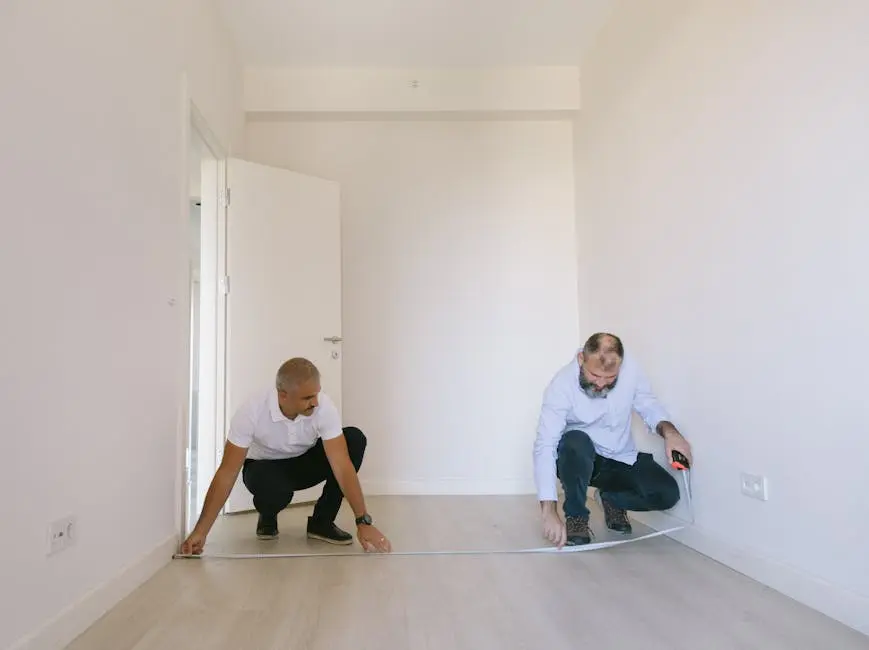
Short-term rentals are a popular choice for travelers across the globe. However, property maintenance is a critical aspect that hosts need to manage effectively to ensure guest satisfaction, maintain property value, and prevent costly repairs. In this FAQ, we will explore the most common property maintenance issues faced by short-term rental owners and provide practical solutions.

Common Cleaning and Housekeeping Challenges
Cleaning is the most recurrent concern in short-term rentals. Swift turnovers require efficient systems for cleaning. Dust, mold, and lingering odors from previous guests can be a frequent challenge. Ensuring high standards of cleanliness impresses guests and minimizes complaints. Implementing a detailed cleaning checklist can help maintain consistency and quality across multiple bookings.
Guest expectations for cleanliness are high, and rightly so. A spotless property not only makes a great first impression but also enhances the overall guest experience. To meet these expectations, property managers often find value in hiring professional cleaning services. These services offer deep cleaning options which can be particularly beneficial during high turnover periods or after a particularly demanding guest stay. Frequent inspections and feedback will also help identify areas that need extra attention.
Efficiency is key when dealing with back-to-back bookings, leaving little time for cleaning between guests. Training staff for quick yet thorough cleaning is a necessity. Tools such as scheduling software can help organize cleaning teams to ensure no property is left unattended. Small touches, like freshly laundered linens and sanitized common areas, can differentiate your property from others, prompting repeat bookings and better reviews.
Plumbing and Water Usage Problems
Issues such as clogged drains, leaking faucets, and running toilets can arise frequently due to constant use. Regular plumbing checks can prevent major water damage and high water bills, ensuring a comfortable stay for every guest. It’s advisable to conduct inspections at least twice a year and use quality fixtures that can withstand frequent usage in a rental context.
Water-related issues often go unnoticed until they lead to significant problems, such as water damage or mold growth. A proactive approach involving routine checks and maintenance can mitigate these risks. Installing water-saving appliances not only addresses potential plumbing problems but also appeals to eco-conscious travelers concerned about sustainability.
Educating guests about responsible water usage can also go a long way. Simple solutions, like visible instructions on how to use appliances properly or signs reminding them to turn off taps, can significantly reduce wear and tear. Providing guests with this information upon check-in or through a welcome booklet underscores your commitment to sustainability in a practical manner.
Heating, Ventilation, and Air Conditioning (HVAC) Concerns
With changing seasons, HVAC systems can encounter various issues like inefficient heating or cooling, noisy units, and filter maintenance. Regular servicing can ensure an optimal indoor climate and enhance guest comfort. A well-maintained HVAC system also translates to energy efficiency, which reduces utility bills significantly.
The temperamentality of HVAC systems can quickly lead to discomfort if not promptly addressed. Seasonal check-ups, ideally before peak seasons of usage, can help identify potential issues before they lead to guest dissatisfaction. It’s also worthwhile to keep service providers on standby for emergencies that require immediate attention.
Consider investing in smart thermostats that allow automatic adjustments to the ambient temperature, aligning with guest preferences and real-time weather changes. This not only elevates guest satisfaction but can be marketed as a high-tech feature of your rental, making it more attractive in listing descriptions.
Electrical System Faults
Frequent guest turnover can result in issues like blown fuses, malfunctioning appliances, and exposed wiring. An annual electrical inspection can help keep the electrical system safe and functional for guests. Ensuring that extra power strips or surge protectors are available can protect systems from overuse while providing convenience for tech-savvy visitors.
Moreover, upgrading outdated electrical systems can prevent hazards and improve reliability. It’s important to clearly label circuit breakers and educate guests on how to reset them, especially in homes where outages are common due to outdated infrastructure. This small step can prevent frustration and foster goodwill among guests.
Having a responsive maintenance team that can swiftly address electrical issues is fundamental. Quick resolution of such problems ensures that issues don’t compound into negative reviews or worse, unsafe conditions for guests and properties. Maintaining a list of trusted local electricians ready for emergencies can also reduce stress when electrical faults arise.
Addressing Wear and Tear in Furnishings
With regular guest usage, furniture and décor often suffer from wear and tear. Regular updates and repairs to furniture, upholstery, and décor maintain a fresh and appealing space. Opting for furnishings that are both durable and stylish can save money in the long term by reducing the frequency of replacements needed.
Investing in high-traffic area materials such as stain-resistant fabrics for couches or robust tables can greatly enhance the longevity of your furnishings. When selecting furniture, balance between aesthetics and resilience to cater both to your decorative preferences and the practical need for longevity in high-turnover spaces.
Encouraging guests to treat the space with respect through clear house rules shared at the time of booking can minimize unexpected damages. Consider items like chair covers or placemats that protect surfaces while adding to the decor scheme, making tidy upkeep more manageable.
Handling Seasonal Maintenance Tasks
Each season brings its own set of maintenance tasks, such as gutter cleaning in fall and winterizing pipes in winter. Proactive seasonal maintenance can prevent damage and ensure a year-round welcoming property. A seasonal checklist is invaluable to ensure no area of the property is overlooked during transitions.
Planning ahead of the seasons can also cater to guest preferences, like ensuring cozy interiors during cold months or pest-free patios in summer. Differential upkeep according to seasons not only maintains functionality but enhances guest experience by aligning properties with seasonal expectations.
For properties in diverse climates, preparing for the less predictable weather events is crucial. From securing outdoor furniture before storms to ensuring heating systems are in optimal condition during cold snaps, being prepared for the unexpected guarantees safety and satisfaction for your guests.
Conclusion: Keeping Your Rental in Prime Condition
In conclusion, maintaining a short-term rental property involves actively addressing both minor and major issues as they arise. Regular inspections, swift responses to guest concerns, and staying ahead of seasonal maintenance needs can save property owners from preventable costs and lead to positive guest experiences. With careful planning and management, property maintenance can be an efficient and less daunting task.
