
Uncategorized

Understanding the Dynamics of Rental Revenue in Vacation Properties

In today’s fast-paced world, investing in vacation properties has become a popular choice for generating additional income. However, understanding the nuances of rental revenue can be a bit challenging. This blog aims to break down the complexities and provide you with a clear, easy-to-understand guide on the dynamics of rental revenue in vacation properties.
A serene beach house with a For Rent sign. 35mm stock photo

What Is Rental Revenue?

Rental revenue refers to the income generated from leasing out your vacation property. This includes nightly rates, weekly or monthly rentals, and any additional fees charged to guests. Understanding what constitutes rental revenue is the first step in optimizing your earnings. It’s not just about the rent you receive but also the potential for earning through additional services and amenities, like cleaning fees or rental of equipment like bikes or kayaks. Breaking down the components of rental revenue can give you a clearer picture of where your money comes from and how to maximize it.

In detail, let’s consider various aspects that fall within rental revenue. Besides the primary rental fee, you might offer additional features for an extra charge, such as premium Wi-Fi, laundry services, or even guided tours of local attractions. These can significantly boost your total rental income. A keen understanding of your revenue streams is essential. For instance, knowing how to price these add-on services appropriately can enhance your overall revenue without deterring potential guests.

Moreover, leveraging dynamic pricing strategies can help you adjust your rates based on demand and seasonality, ensuring you’re charging the optimal price at all times. For example, during peak seasons or local events, rental rates can be increased to reflect higher demand. Conversely, offering discounts during off-peak times can help maintain steady bookings. These strategies are fundamental in ensuring that your rental revenue remains robust year-round.

Factors Influencing Rental Revenue

Several factors can impact the rental revenue of your vacation property. These include location, seasonality, property condition, and amenities offered. Let’s delve into each of these elements to help you understand their significance. Location is a critical factor; a property close to popular tourist destinations, beaches, or city centers will generally command higher rental rates. On the flip side, a more remote or less popular location might attract fewer guests or necessitate lower prices.

Seasonality also plays a crucial role. Vacation properties often experience high demand during certain times of the year, such as summer or holidays. Understanding the peak seasons for your location can help you set competitive prices and enhance your rental revenue. Additionally, ensuring your property is well-maintained and updated can influence guests’ willingness to pay higher rates. Properties that offer modern amenities, stylish decor, and spotless cleanliness receive better reviews, which can, in turn, improve booking rates.

Amenities are another significant factor. According to a 2024 report by AppFolio, properties that include high-demand amenities like hot tubs, pet-friendly options, or well-equipped kitchens often see higher booking rates and can charge premium prices. Offering unique or high-end amenities can set your property apart from the competition, ensuring a steady stream of rental income.

Setting the Right Price

Pricing your vacation property correctly is crucial. Too high, and you may drive potential renters away. Too low, and you could be leaving money on the table. Learn about strategies for setting competitive yet profitable rates. Dynamic pricing tools can be incredibly useful, adjusting rates based on factors like local events, seasonal demand, and even weather patterns. By leveraging these tools, you ensure that your property remains competitive yet profitable. Enso Connect suggests these methods as part of a comprehensive strategy to maximize rental revenue.

It’s important to perform a thorough market analysis to understand the pricing strategies of comparable properties in your area. Consider amenities, location, property size, and guest capacity to set a competitive rate. Seasonal adjustments are also essential. Higher rates during peak seasons and reduced rates during off-peak times can help maintain consistent bookings. Enso Connect also emphasizes the importance of personalized adjustments; offering special packages or discounts for longer stays can significantly boost occupancy rates.

Effective Marketing Strategies

Attracting renters requires effective marketing. From online listings to social media presence, discover the best practices for making your vacation property stand out in a crowded market. Start by creating an engaging and visually appealing listing on popular platforms like Airbnb, Booking.com, and VRBO. High-quality photos, a detailed description, and positive reviews are fundamental. Highlight unique features and amenities that set your property apart.

Social media can also play a vital role in your marketing strategy. Platforms like Instagram and Facebook allow you to showcase your property through engaging content and stories. Live tours, guest testimonials, and behind-the-scenes videos can attract new guests. Consistent and professional social media management can create a loyal following and drive traffic to your listings.

Moreover, consider leveraging local partnerships. Collaborating with local tour companies, restaurants, and activity providers can create attractive package deals, offering guests a unique and comprehensive experience. This collaborative approach not only boosts your property’s visibility but also enhances guest satisfaction and repeat bookings.

The Role of Property Management

Property management can significantly impact your rental revenue. Whether you manage the property yourself or hire a professional manager, understanding the pros and cons of each approach is essential. Self-management gives you complete control over your property but requires significant time and effort. On the other hand, professional property management services can streamline operations, manage bookings, handle maintenance, and even market your property. These services come at a cost but can save time and enhance the guest experience.

Professional property managers bring industry expertise, leveraging tools and strategies to optimize bookings and increase revenue. They can implement dynamic pricing, handle guest communications, and ensure your property remains in top condition. Engaging a property management company like Sojora can offer peace of mind, knowing that experts are maximizing your property’s potential and ensuring a steady stream of income.

Ultimately, the decision to self-manage or hire a professional depends on your personal preferences and circumstances. Weigh the costs and benefits carefully, considering factors like time availability, expertise, and financial goals.

Maximizing Occupancy Rates

Higher occupancy rates often translate to higher rental revenue. Learn strategies to keep your property booked, from offering discounts during off-peak times to maintaining excellent guest relations. Providing exceptional service can lead to positive reviews and repeat bookings, which are crucial for a successful vacation rental business.

Using dynamic pricing tools and offering flexible cancellation policies can also attract more bookings. By analyzing booking patterns and adjusting your rates accordingly, you can optimize occupancy throughout the year. Creating a memorable guest experience and encouraging positive reviews can further improve your property’s ranking on various platforms.

Additionally, consider offering special promotions or packages that cater to different types of travelers. Whether it’s a couple’s getaway, a family vacation, or a business trip, customizing your offerings can attract a broader audience and fill up your calendar. Utilize marketing tactics that highlight your property’s unique features and create compelling reasons for guests to choose your rental over others.

By understanding and implementing these strategies, you can enhance your property’s appeal and ensure a steady flow of guests, ultimately boosting your rental revenue.

The vacation rental market is constantly evolving. Staying on top of trends and being ready to adapt can help you maintain and even increase your rental revenue. We’ll discuss current trends and how to incorporate them into your strategy. For instance, incorporating smart technology like keyless entry and smart thermostats can enhance the guest experience, making your property more attractive.

Keeping an eye on emerging travel trends, such as the rise of remote work and digital nomadism, can also provide insights for attracting potential guests. Offering features that cater to remote workers, like high-speed internet and dedicated workspaces, can set your property apart from others. Joining a market analysis tool like PriceLabs can help you stay informed about dynamic pricing and other market trends, ensuring you remain competitive.

Additionally, sustainability is becoming increasingly important to travelers. Implementing eco-friendly practices, such as energy-efficient appliances and recycling programs, can appeal to environmentally conscious guests. By adopting these trends and continuously seeking ways to improve, you can ensure your vacation rental remains relevant and profitable in an ever-changing market.

Maximizing Your Rental Revenue: The Key Takeaways

Navigating the intricacies of rental revenue in vacation properties doesn’t have to be daunting. By understanding the key factors that influence your earnings and being proactive in managing your property, you can maximize your rental income. Remember, staying informed and adaptable is crucial in this ever-evolving market.

Understanding the Dynamics of Rental Revenue in Vacation Properties Read More »
12 Tailored Solutions Every Property Owner Should Know for Better Management

Managing property can be a daunting task, but with the right strategies and solutions, it doesn’t have to be. In this blog post, we will explore twelve tailored solutions to help property owners manage their assets more effectively. From leveraging technology to streamlining communication, these tips are designed to simplify your management tasks and maximize your property’s potential.
Various property management tools and documents on a desk. 35mm stock photo

1. Utilizing Property Management Software

Property management software can streamline your tasks, automate processes, and keep everything organized in one place. Choose software that fits your specific needs to enhance efficiency. From tracking rent payments to scheduling maintenance, the right software can make property management tasks much more manageable.

This digital assistant does more than just store information. It can send reminders for lease renewals, notify you of pending taxes, and provide detailed reports on your property’s financial performance. Don’t underestimate the power of a robust software system in keeping your operations smooth.

Moreover, some advanced property management software solutions can integrate with other systems such as accounting software like QuickBooks, ensuring your financial data remains consistent and up-to-date. Investing in good software is like giving your property management process a turbo boost.

2. Effective Communication Channels

Establish clear and efficient communication channels with tenants, staff, and contractors. This will help resolve issues promptly and maintain a positive relationship with all parties. Using platforms like tenant portals ensures everyone is on the same page.

Clear communication can be streamlined through dedicated apps or property management software that offers instant messaging, email notifications, and even tenant portals for easy access to vital information like rent due dates and maintenance requests.

Regularly updating tenants on important changes and listening to their concerns can foster a trusting relationship. This not only improves tenant retention but also makes them more likely to recommend your property to others.

3. Regular Maintenance Schedules

Create and follow a regular maintenance schedule to keep your property in top condition. This proactive approach can prevent costly repairs and ensure tenant satisfaction. Regular inspections help spot potential issues before they become major problems.

Consider adopting a seasonal maintenance checklist, which includes tasks tailored to each time of the year. For instance, checking the heating system before winter and ensuring air conditioning units are ready for summer. This setup not only keeps your property in prime condition but also enhances its longevity.

But it’s not just about regularity; the quality of the maintenance matters too. Hiring experienced professionals to handle repairs and upgrades ensures the job is done right the first time, saving you from frequent fixes and unhappy tenants.

4. Financial Management Tools

Use financial management tools to keep track of income, expenses, and budgeting. Proper financial oversight helps in making informed decisions and ensures the financial health of your property.

Implement budgeting software that can track all financial transactions related to your property. This includes rent payments, maintenance expenses, and any other costs. Many of these tools offer real-time updates, so you have a clear picture of your financial status at any moment.

Keeping detailed financial records allows you to spot trends and foresee potential shortfalls. Additionally, modern financial management tools often come with forecasting capabilities, aiding you in planning for future expenses and revenues effectively.

5. Tenant Screening Processes

Implement a thorough tenant screening process to select reliable and responsible tenants. This reduces the risk of problems down the line and promotes a stable rental environment. Screening software can streamline this process, providing comprehensive background, credit, and rental history checks.

For a robust screening process, consider multiple aspects like credit history, employment verification, prior rental history, and criminal background checks. Aim for completeness and accuracy to ensure you make well-informed decisions.

Besides software, also rely on personal interactions. An interview adds a human touch and can reveal insights that automated checks may miss. Trust your intuition while adhering to fair housing laws to avoid any legal issues.

6. Lease Agreement Customization

Tailor your lease agreements to address specific needs and protect your interests. Clearly defined terms and conditions help prevent misunderstandings and legal issues. Use detailed clauses related to inhabitancy terms, maintenance responsibilities, and rent dues to set clear expectations.

Customized lease agreements can cover a wide range of scenarios such as pet policies, subletting restrictions, and specific maintenance duties. This ensures that both parties are well aware of their responsibilities, reducing the likelihood of disputes.

Regularly reviewing and updating your lease agreements to align with changing regulations and market conditions is also crucial. This proactive approach ensures your document remains legally sound and fair to all parties involved.

7. Leveraging Technology for Security

Invest in modern security technology such as smart locks, surveillance systems, and alarm systems. These tools can enhance the safety of your property and give peace of mind to you and your tenants.

Smart locks allow you to grant and revoke access without needing to change physical locks, improving both convenience and security. Surveillance cameras can deter criminal activity and provide evidence if issues arise.

Furthermore, integrating these technologies with home automation systems can enhance the overall appeal of your property, attracting tech-savvy tenants and adding value to your investment.

8. Energy-Efficient Upgrades

Consider energy-efficient upgrades such as LED lighting, smart thermostats, and energy-efficient appliances. These improvements can reduce utility costs and appeal to environmentally conscious tenants.

For instance, smart thermostats help regulate temperature efficiently, cutting down on unnecessary energy usage. LED lighting not only saves on electricity bills but also lasts longer than traditional bulbs, reducing replacement costs.

These upgrades aren’t just about saving money—they also align with growing tenant preferences for environmentally friendly living spaces. This can make your property more attractive in the competitive rental market.

9. Professional Landscaping Services

Invest in professional landscaping services to maintain the exterior appeal of your property. A well-kept landscape increases curb appeal and can attract high-quality tenants. Well-designed outdoor spaces also provide tenants with a pleasant environment to relax and socialize.

Professional landscapers can help design and maintain gardens that are both beautiful and easy to care for, incorporating native plants that thrive in your local climate. This reduces the need for extensive water and maintenance.

Routine landscaping also ensures that outdoor spaces remain safe and accessible, preventing potential hazards such as overgrown pathways or unchecked pest infestations.

10. Insurance Coverage Review

Regularly review your property and liability insurance coverage to ensure it meets your needs. Adequate insurance protection is crucial for mitigating risks and handling unforeseen events. This includes coverage for natural disasters, vandalism, and tenant disputes.

Consult with insurance experts to understand the specific coverage options that best suit your property type and location. Some policies might offer more comprehensive protection for minimal additional costs.

Keep in mind that as the value of your property or the risks it faces change, your insurance needs may also evolve. Regularly assess these factors and adjust your policies accordingly to maintain adequate protection.

11. Emergency Preparedness Plans

Develop and implement emergency preparedness plans to handle situations such as natural disasters or fires. Being prepared can minimize damage and ensure the safety of tenants. Clearly outlined emergency protocols should include evacuation routes, contact numbers, and safe locations.

Regular drills and updates to these plans can reinforce tenant awareness and readiness. Ensure that all necessary equipment, like fire extinguishers and first aid kits, are readily accessible and well-maintained.

Further, consider insurance options that cover property damages caused by natural disasters, ensuring a comprehensive safety net for your investments and tenants.

Keep yourself informed about local and national property laws and regulations. Staying updated helps you remain compliant and avoid potential legal issues. Resources like the National Association of Residential Property Managers (NARPM) provide valuable insights and updates regularly.

Regulations can cover a wide range of aspects, from rent control limits to tenant rights and obligations. Ignorance is not an excuse in the eyes of the law, so proactive learning is your best defense against costly legal battles.

Engage with legal professionals or property management associations to stay abreast of any changes and ensure your lease agreements, property maintenance, and tenant interactions comply with current laws.

12 Tailored Solutions Every Property Owner Should Know for Better Management Read More »

Why Is Efficient Management Important for Airbnb Hosts?

Efficient management is more than just a buzzword—it’s a crucial aspect of running a successful Airbnb business. By mastering efficient management, Airbnb hosts can not only improve their guest experience but also maximize their earnings and reduce stress. Let’s explore why efficient management is important and how you can achieve it.
A well-organized Airbnb listing with minimalistic decor and clean spaces. 35mm stock photo

Improving Guest Satisfaction

Happy guests are the backbone of a successful Airbnb business. Efficient management ensures that every aspect of the guest experience is taken care of, from smooth check-ins to clean accommodations and prompt communication.

Guests are more likely to leave positive reviews and recommend your property to others when they have a seamless experience. This starts with swift and clear communication. Responding promptly to inquiries, providing detailed check-in instructions, and being available to resolve issues quickly make a big difference. A smooth check-in process sets the tone for their stay. Utilizing technology like smart locks can facilitate this and add a layer of convenience for guests.

Cleanliness is paramount. Guests expect spotless accommodations, and regular cleaning schedules ensure that every guest walks into a pristine space. Consider implementing a checklist for your cleaning team to cover all bases. By keeping the rental well-stocked with essentials such as toiletries and kitchen items, you further enhance the guest experience.

Personal touches like a welcome basket or a guidebook with local tips can elevate their stay from good to great. It’s these details that help create memorable experiences. Moreover, consistent follow-up messages during their stay to check if they need anything can show your dedication to their comfort.

Another aspect of managing guest satisfaction is asking for feedback and acting on it. Guests feel valued when their opinions are taken seriously, leading to improvements that benefit future guests.

Maximizing Earnings

Efficient management helps you keep track of your bookings, adjust pricing based on demand, and ensure that your property is occupied as much as possible, thereby maximizing your earnings.

Dynamic pricing is a key strategy. Tools that adjust your rates based on local events, seasonality, and demand can optimize your income. For instance, during peak travel times or special events in your area, higher rates can significantly boost your revenue.

Efficient booking and scheduling also play a vital role. When you streamline these processes, you minimize gaps in your calendar, ensuring higher occupancy rates. Using automated scheduling tools can help you manage the timelines between guest stays more effectively, allowing for more bookings.

Positive reviews and high ratings draw more guests to your listing, which in turn increases your earnings. By maintaining high standards of cleanliness, providing excellent guest service, and proactively managing issues, you encourage guests to leave five-star reviews.

Maintaining Property Quality

Regular maintenance and upkeep are vital. Efficient management ensures that repairs are addressed promptly and the property remains in top condition, which enhances guest satisfaction and repeat bookings.

Preventive maintenance reduces long-term costs and keeps your property in great shape. By scheduling regular inspections and staying ahead of potential repairs, you avoid larger issues that could lead to significant downtime and expense.

A well-maintained property attracts higher-quality guests who respect your space. This minimizes the risk of damage and ensures that the property remains appealing for future bookings.

Utilizing smart home technology such as smart locks, thermostats, and energy-efficient devices can also help maintain property quality. These tools not only enhance guest experience but also improve the overall management of the property, making it easier to monitor and control from a distance.

Streamlining Operations

From scheduling cleanings to restocking supplies, having streamlined operations saves time and reduces errors. Efficient management allows hosts to automate and delegate tasks that can be handled by others.

Using property management software can significantly streamline operations. These platforms offer a centralized hub to manage bookings, payments, and guest communications. They can schedule cleaning services automatically and track maintenance needs, ensuring everything runs smoothly.

Automated messaging tools are a game-changer for guest communication. Pre-written responses to common queries and automated check-in/check-out instructions ensure consistency and timely communication, reducing the need for constant manual intervention.

Supply management is another area where efficiency pays off. By keeping track of inventory and automating reorders for essentials, you can ensure that supplies are always ready for the next guest. This reduces last-minute runs to the store and ensures a seamless guest experience.

Using Technological Tools

Technology can be a game-changer in efficient management. Tools like property management software, automated messaging systems, and dynamic pricing algorithms can help hosts manage their listings more effectively.

Smart home devices simplify many aspects of property management. For example, smart locks enable keyless entry, adding convenience for guests and reducing the logistical challenges of key exchanges. Smart thermostats can help maintain optimal temperatures while saving on energy costs.

Channel managers are particularly useful for hosts who list their property on multiple platforms. These tools synchronize your listings to avoid double bookings and ensure accurate availability across all platforms, simplifying the management process.

Using technology for remote management allows you to oversee your Airbnb from anywhere in the world. With the right systems in place, you can maintain high standards and a consistent guest experience without needing to be physically present at your property.

Apart from operational efficiencies, technological tools also enhance the guest experience. Automated messaging ensures guests receive timely, relevant information without delay, while digital guidebooks provide them all the necessary details about their stay, local attractions, and house rules.

Final Thoughts on Efficient Management

Efficient management is key to thriving as an Airbnb host. By focusing on guest satisfaction, maintaining your property, managing your finances, and using technological tools, you can ensure a smooth and profitable hosting experience. Remember, the goal is to create memorable stays for your guests while optimizing your operations to save time and money. Ready to take your Airbnb hosting to the next level? Discover more insights on the pivotal role of hospitality management on our website.

Why Is Efficient Management Important for Airbnb Hosts? Read More »

12 Proven Strategies for Effective Vacation Rental Management

Managing vacation rentals can be a rewarding venture, but it’s not without its challenges. With the right strategies and a bit of management expertise, you can turn your vacation rental into a profitable and low-stress enterprise. Here are twelve proven strategies to help you achieve effective vacation rental management.
A tidy, inviting vacation rental house with a welcoming front porch. 35mm stock photo

1. Offer a Seamless Booking Experience

A seamless booking process is essential for attracting guests. Make your listing easy to find, ensure your calendar is up to date, and provide clear instructions for booking. This eliminates friction and helps guests complete their reservations quickly.

In addition to ease of booking, consider integrating automated booking systems. Using such tools can reduce manual errors and streamline the process. Discover more about integrating technology seamlessly into your rental management.

Utilizing platforms like Airbnb or VRBO can also enhance the booking experience. Ensure your property listings are accurate and updated. This not only eliminates booking conflicts but also builds trust with potential guests.

2. Maintain High-Quality Listings

Your listing should be detailed, accurate, and appealing. High-quality photos, thorough descriptions, and honest reviews improve your chances of booking and build trust with potential guests.

Invest in professional photography to showcase your property’s best features. Quality visuals can make a significant difference, attracting more bookings by allowing potential guests to visualize their stay.

Descriptions should be comprehensive yet concise. Highlight unique selling points, amenities, and nearby attractions. This paints a vivid picture, making your property more desirable compared to others.

3. Price Competitively and Wisely

Competitive pricing is crucial. Monitor your market, compare similar listings, and adjust your rates accordingly. Offering seasonal discounts and promotional deals can also attract more guests.

Utilize dynamic pricing tools like PriceLabs to adjust your rates based on real-time market demand. This can optimize your earnings while staying competitive.

Consider special offers for longer stays or last-minute bookings. These tactics can fill vacancies during off-peak times and boost overall occupancy rates.

4. Invest in Professional Cleaning

A clean property meets guest expectations and encourages positive reviews. Hire professional cleaners to ensure your rental is spotless before each guest’s arrival.

Regular deep cleaning can prevent wear and tear on your property. A well-maintained home not only looks good but also functions better, which enhances guest satisfaction.

Pay special attention to high-touch areas like door handles, remotes, and light switches. These areas should always be sanitized to ensure guest safety and comfort.

5. Enhance Communication with Guests

Clear, responsive communication builds trust and enhances the guest experience. Provide detailed check-in instructions, be available for questions, and address any issues promptly.

Personalized messages, such as welcome notes or local tips, can make guests feel valued and improve their overall experience. Setting up automated yet personalized responses can help manage this efficiently.

Use multiple channels for communication, including email, phone, and messaging apps. This ensures guests can reach you in their preferred way, increasing convenience and satisfaction.

6. Automate Where Possible

Use technology to streamline operations. Automated booking confirmations, payment processing, and smart home devices can save you time and reduce errors.

Implementing smart home technology, such as keyless entry and smart thermostats, enhances guest convenience and can lead to energy savings. Explore more on boosting guest satisfaction integrated with tech.

Automated systems also allow for better management of maintenance schedules and cleaning routines. This ensures consistency in quality and reduces the chances of oversight.

7. Implement a Guest Screening Process

Screening guests can prevent potential problems. Check reviews from other hosts and communicate your house rules clearly to ensure a good fit.

Develop a set of criteria for guest acceptance. This could include verifying identity, checking previous host reviews, and ensuring they understand and agree to your house rules.

Use platforms that offer built-in screening tools to make this process more efficient. Proper screening can minimize risks and ensure a more harmonious stay.

8. Provide Exceptional Customer Service

Exceptional service leaves a lasting impression. Be friendly, accommodating, and go the extra mile to fulfill guest needs. Personalized touches can turn a good stay into a great one.

Understand the common needs of your guests and anticipate them. Providing extra amenities like a welcome basket or personalized local recommendations can enhance guest satisfaction.

Regularly follow up with guests during their stay to ensure everything is to their liking. A simple check-in message shows you care about their experience and can address any issues promptly.

9. Regularly Update and Maintain the Property

Regular maintenance prevents small issues from becoming big problems. Schedule routine inspections and promptly fix any issues to keep your property in top condition.

Invest in quality repairs and updates. Regularly updating decor and furnishings can keep your property looking fresh and appealing, attracting more bookings.

Consider seasonal updates or theme decorations to enhance the property’s appeal. Guests appreciate thoughtful touches that align with holidays or local events.

10. Create a Welcome Guide for Guests

A welcome guide provides valuable information about the property and local area. Include check-in instructions, house rules, and recommendations for local attractions and dining.

Personalize the welcome guide to reflect your unique property. Use it to highlight special features and offer insider tips on local favorites, making the guest experience enriching and memorable.

Regularly update the welcome guide to ensure accuracy. Include contact information and emergency procedures to help guests feel secure and well-informed.

11. Engage with Guest Reviews and Feedback

Responding to reviews and feedback shows guests you value their input. Address any concerns raised and use feedback to make continuous improvements to your rental.

Actively request reviews from guests. Positive reviews can boost your property’s credibility and attract more bookings. Customize your approach based on effective marketing practices to maximize impact.

Use negative feedback constructively. Identify common issues and address them promptly, showing future guests your commitment to providing an exceptional experience.

12. Stay Compliant with Local Regulations

Understanding and complying with local laws and regulations is crucial. Stay informed about zoning laws, taxes, and safety regulations to avoid fines and keep your rental running smoothly.

Join local associations or networks to stay updated on changes in regulations. This proactive approach ensures you remain compliant and informed about best practices in the industry.

Consult with legal experts if necessary. Compliance not only keeps you out of legal trouble but also builds trust with guests as a legitimate and professional host.

12 Proven Strategies for Effective Vacation Rental Management Read More »

What is Vacation Rental Management in Northwest Arkansas?

Vacation rental management in Northwest Arkansas can be a complex yet rewarding endeavor. This FAQ aims to break down the essentials in a friendly and easy-to-understand manner.
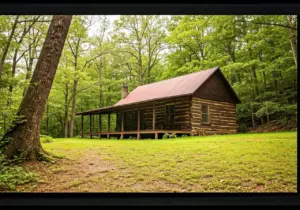
Cozy cabin nestled in the scenic Ozark Mountains. 35mm stock photo

What Is Vacation Rental Management?

Vacation rental management involves overseeing the daily operations of a rental property, ensuring it is well-maintained and providing a pleasant experience for guests.

This process includes everything from marketing the property to handling guest inquiries, managing bookings, coordinating cleaning and maintenance, and even setting dynamic pricing to maximize income. Effective vacation rental management ensures that the property is not just a place to stay but a memorable experience for the guest.

In Northwest Arkansas, vacation rental management often also entails familiarizing oneself with local attractions and providing recommendations to enhance the guest experience. Managers must adapt their services based on the season, local events, and guest preferences. By offering a seamless and delightful stay, managers help property owners achieve higher occupancy rates and better reviews, thereby boosting their overall income.

If you’re an investor or current property owner in the area, opting for a vacation rental management service like Sojora is a smart move. They handle everything from tenant screening to bookings and maintenance, making it easier for you to secure a steady income without the stress.

Overall, vacation rental management combines hospitality and business skills to create a profitable and worry-free investment for property owners. Managers ensure a smooth operation, keeping properties in top shape and guests happy, which is crucial in a competitive market like Northwest Arkansas.

Why Choose Northwest Arkansas for Vacation Rentals?

Northwest Arkansas is a popular destination with its scenic beauty, vibrant arts scene, and outdoor activities. This makes it an attractive market for vacation rentals.

The region, dotted with picturesque landscapes, boasts numerous attractions that draw tourists year-round. From the stunning Ozarks to the rich cultural centers like Bentonville and Fayetteville, there’s something for everyone. Properties near biking trails, lakes, and cultural venues can fetch premium rental rates, especially during peak seasons.

Tourists flock to Northwest Arkansas for its combination of natural beauty and modern amenities. Outdoor enthusiasts can explore the many hiking and biking trails, while art lovers can visit world-renowned museums like Crystal Bridges. This diversity in attractions provides a steady stream of guests looking to book unique vacation rentals.

Choosing a well-located property can significantly enhance its rental appeal. For instance, a property situated near the University of Arkansas could attract visitors attending Razorback games or prospective students touring the campus. Highlighting such local attractions in your property listing can increase your booking rate.

Additionally, Sojora offers insights and strategic management techniques that maximize rental income. They ensure your property stands out among the competition, thus attracting more guests.

Key Responsibilities of a Vacation Rental Manager

A vacation rental manager handles tasks such as property maintenance, guest communication, bookings management, and addressing any issues that arise during a guest’s stay.

Effective property maintenance entails regular checks and timely repairs to keep the place in top condition. This not only enhances guest satisfaction but also contributes to securing positive reviews which are crucial for attracting future guests.

Guest communication is another significant responsibility. From promptly responding to booking inquiries to addressing concerns during their stay, clear and courteous communication is essential. It sets the tone for the guest’s experience and can influence their decision to leave a favorable review.

Bookings management goes beyond just marking dates on a calendar. It involves using dynamic pricing strategies and ensuring compliance with local regulations. For instance, knowing the demand spikes during local events or holidays can help optimize rental rates.

Additionally, services like those offered by Weekender Management include enhancing property listings with professional photographs and compelling descriptions, further boosting the property’s appeal. Their comprehensive approach simplifies the rental process for owners, helping them achieve better returns with minimal hassle.

Finding the Right Property

Choosing the right property involves considering factors like location, amenities, and target audience to ensure a successful vacation rental business.

Location is paramount. Properties near key attractions or in scenic areas are more likely to be booked frequently. For instance, a vacation home near the trails in the Ozarks or close to the cultural hubs of Bentonville can attract diverse guests, from outdoor enthusiasts to art lovers.

Amenities play a crucial role in attracting bookings. Features such as a hot tub, a well-equipped kitchen, or high-speed internet can significantly elevate the guest experience. Properties that offer a blend of comfort and convenience are often rated higher, leading to better occupancy rates.

Understanding your target audience is also essential. If your property is a cozy cabin in the woods, it might appeal more to couples looking for a romantic getaway. On the other hand, a spacious home near the university could attract visiting families or groups attending local events.

For investors eyeing Northwest Arkansas, services like Sojora can help identify properties with high rental potential. They use real-time rental data to evaluate and recommend lucrative investment properties, ensuring your venture is profitable from the get-go.

Marketing Your Vacation Rental

Effective marketing strategies, such as listing on multiple platforms, using professional photography, and crafting compelling property descriptions, can significantly boost your bookings.

Start with eye-catching images. Quality photos can make or break a listing. Hiring a professional photographer to capture the best angles and features of your property can greatly enhance its appeal.

Crafting a compelling description is equally important. Highlight the unique features of your property and the experiences it offers. Mention nearby attractions and amenities that guests would find appealing. This approach helps in setting your place apart from the competition.

Listing your property on multiple platforms increases its visibility. Utilizing websites like Airbnb, VRBO, and others ensures a broader audience. Each platform has its own set of users, and tapping into these different pools can boost your property’s booking rates.

Incorporating SEO strategies into your listings can also drive more traffic. StayNWA emphasizes the importance of optimizing listings to rank higher in search results. This means using relevant keywords and keeping your descriptions updated to attract potential guests.

Providing detailed information about your property, such as the availability of Wi-Fi, parking, or pet-friendliness, can help manage guest expectations and reduce the chances of negative reviews due to misinformation.

Handling Bookings and Guest Communication

Timely responses to inquiries and clear communication with guests are crucial for a seamless booking process and positive reviews.

Responding promptly to guest inquiries can make a big difference in securing bookings. Guests often reach out to multiple listings, and a quick, informative reply can set your property apart and convert inquiries into confirmed reservations.

When communicating with guests, clarity is key. Ensure that all details about the property, check-in processes, house rules, and nearby attractions are communicated clearly. This reduces the likelihood of misunderstandings and helps guests feel well-informed and comfortable.

Using automated messaging tools can help streamline communication. These tools can send out pre-crafted responses for common questions or reminders about check-in and check-out times, making the process more efficient.

For instance, property management services like Weekender Management can handle these communications on your behalf. Their dedicated team ensures that guest interactions are smooth and that responses are timely, thus enhancing guest satisfaction and securing better reviews.

Maintaining the Property

Regular maintenance, cleaning, and repairs are essential to keep the property in top condition and ensure guest satisfaction.

A well-maintained property not only looks good but also functions well. Regular inspections can help identify issues before they become major problems, saving you money and keeping guests happy.

Professional cleaning services are crucial. High cleanliness standards are one of the main criteria guests consider when leaving reviews. A spotless property can lead to better reviews and higher occupancy rates.

Timely repairs are vital. Addressing any damages or malfunctions promptly ensures that guests have a seamless experience. It also avoids negative reviews that can arise from unresolved issues during their stay.

Adding routine upgrades to keep the property fresh and appealing can make a significant difference. Simple updates like new linens, modern appliances, or even a fresh coat of paint can elevate the guest experience.

Companies like StayNWA offer full property management services, including maintenance, cleaning, and guest services. They handle all these aspects, ensuring your property remains in excellent condition, allowing you to focus on other ventures.

Understanding local regulations, tax obligations, and insurance requirements is vital to running a compliant vacation rental business in Northwest Arkansas.

Complying with local regulations can be daunting, but it’s necessary. Different cities in Northwest Arkansas may have varying rules regarding short-term rentals, such as zoning laws, occupancy limits, and permit requirements.

Tax obligations are another critical area. Hosts must be aware of state and local taxes applicable to short-term rentals and ensure they’re collected and remitted correctly. Failure to comply can result in hefty fines and penalties.

Insurance is essential for protecting your investment. Standard homeowner policies may not cover short-term rental activities. Opting for comprehensive vacation rental insurance can safeguard you against potential liabilities and provide peace of mind.

Professionals in the field, like VRI Property Management, can navigate these complexities on your behalf, ensuring your rental complies with all legal requirements. Their expertise can help mitigate risks and ensure a smooth operation.

Financial management involves more than just tracking income. It includes budgeting for maintenance, setting aside funds for upgrades, and planning for seasonal fluctuations. Effective financial management can make a significant difference in the profitability of your vacation rental.

Companies that offer full-service property management often provide detailed financial reporting, allowing you to keep track of your property’s performance easily. This level of transparency and organization helps in making informed decisions about your rental business.

Conclusion

Vacation rental management in Northwest Arkansas involves numerous aspects, from property maintenance to guest communication. With the right approach and tools, it can be a successful and profitable venture.

What is Vacation Rental Management in Northwest Arkansas? Read More »

Scroll to Top