
Uncategorized

What Services Are Typically Included in Property Management?

Navigating the realm of property management can be a daunting task, whether you’re a seasoned real estate investor or a new landlord. Property management encompasses an array of services that ensure your property is maintained well and tenants are satisfied. In this FAQ blog, we’ll break down the services typically offered by property management companies to help you make informed decisions.
A clipboard with property management checklist on a wooden desk. 35mm stock photo

Tenant Screening and Selection

One of the primary services property managers offer is finding the right tenants. This includes marketing your property, conducting background checks, and selecting suitable tenants to avoid future headaches.

The task of screening tenants might seem simple at first, but it involves several critical steps to ensure you’re welcoming the best individuals into your property. This process often begins with advertising your property, reaching out to potential tenants through various platforms. Once applications come in, property managers meticulously review and verify the details. By conducting thorough background checks, they assess applicants’ rental histories, credit scores, and criminal records, ensuring each tenant is a good fit for your space. This thorough vetting protects your investment and minimizes the risk of late payments or property damage later on.

Tenant selection also involves character evaluation, often requiring property managers to not only analyze financial and legal records but to interact with potential tenants directly. This interaction provides insights into how future interactions might unfold and whether a potential tenant will be respectful and punctual.

Lease Agreements and Rent Collection

Property management companies handle drafting and enforcing lease agreements, ensuring all terms are clear and adhered to by both parties. They also take charge of rent collection, making sure payments are made on time.

The creation of lease agreements is more than just listing terms on paper; it’s about crafting a comprehensive document that clearly outlines the rights and responsibilities of both landlords and tenants. This legally binding contract helps prevent disputes by specifying rent terms, due dates, and renewal procedures. Moreover, property managers stay on top of enforcing these agreements, from issuing rent notices to filing for evictions when necessary. They act as a buffer, addressing late payments and making sure every financial transaction is logged accurately.

By automating rent collection through online platforms, property management companies streamline the payment process, reducing the risk of late or missed payments. This approach ensures that you, as the property owner, maintain a steady flow of income every month.

Property Maintenance and Repairs

Routine maintenance and responsive repairs are key to keeping tenants happy and properties in good shape. Property managers coordinate with contractors and service providers to address issues promptly.

Maintaining a property isn’t only about aesthetics; it’s about ensuring that your property is safe and functional at all times. Property management services typically include scheduled inspections to catch potential issues before they escalate into costly repairs. Whether it’s fixing a leaky roof or addressing a pest control problem, property managers coordinate these tasks efficiently. They leverage their network of trusted contractors to ensure repairs and maintenance are carried out to high standards without cutting corners.

Tenants appreciate fast resolution of maintenance issues. A good property manager facilitates this by setting up a system for tenants to report issues immediately—whether through an app or direct contact—ensuring nothing falls through the cracks. This proactive approach to property maintenance not only preserves your property value but makes tenants more likely to renew their leases, reducing vacancy rates.

Staying compliant with property laws and regulations is crucial. Property managers ensure your property meets legal standards and provide guidance on property-related legal matters.

Navigating the complexities of real estate regulations can be daunting. A knowledgeable property manager stays updated on legal requirements and handles compliance, ensuring your property adheres to safety codes, housing laws, and operational standards. This involves ensuring proper documentation for tenants and overseeing the renewal or termination of leases according to legal frameworks.

Furthermore, legal compliance extends to understanding local ordinances, state laws, and federal regulations that impact property management. Property managers provide invaluable advice and handle complex legal matters, such as tenant evictions, without compromising your property’s integrity or owner rights.

Financial Reporting and Budgeting

A well-managed property keeps financial records organized. Property managers provide detailed financial reports, helping you track income and expenses, and assist with budgeting for future projects.

Financial transparency is vital for any investment property. Property managers offer monthly financial statements, outlining how your property is performing. These reports cover every aspect from rent collection and expenses to any maintenance costs incurred, providing you with accurate and timely data to make informed business decisions.

Beyond generating reports, property managers are instrumental in budgeting and financial planning. They develop strategies to boost income, manage operational costs, and allocate budgets for necessary property improvements. Their fiscal oversight ensures your property’s profitability, positioning it well in the competitive real estate market.

Wrapping Up Property Management Services

In summary, property management services provide a comprehensive package for landlords and property owners. From advertising your property to managing maintenance and finances, a property management company handles the day-to-day operations, giving you peace of mind and more time to focus on growth and other ventures. Understanding the scope of these services will help you choose the right partner for your property needs.

What Services Are Typically Included in Property Management? Read More »

7 Key Short-term Rental Regulations for San Antonio Hosts

Navigating the rules of short-term rentals in San Antonio can be a bit tricky. But no worries! In this blog, we’ll break down the essential regulations every host should know about. Let’s dive in!
Aerial view of San Antonio skyline at sunset. 35mm stock photo

1. Understanding Permit Requirements

Every host needs to begin with obtaining the necessary permits. These are vital to legally operate a short-term rental in San Antonio. Without proper registration, your hosting efforts might hit a snag, possibly leading to hefty fines or the suspension of your rental activities. The permit process, however, isn’t as daunting as it might seem. San Antonio divides short-term rentals into two types: Type 1 is for owner-occupied properties, while Type 2 covers non-owner-occupied homes. Understanding these distinctions is critical as each type involves different levels of scrutiny and regulation, especially since there are caps on the number of Type 2 rentals allowed in specific neighborhoods. Complying with these rules not only keeps your business on the right side of the law but supports the community’s stability.

Acquiring a permit involves submitting an application to the city, accompanied by proof of property insurance and a $100 fee, which is renewable every three years. The city mandates that various safety standards are met, such as having functional smoke and carbon monoxide detectors. San Antonio’s focus on safety standards underlines its commitment to maintaining quality accommodations that protect both guests and the community Time for short-term rental operators. More importantly, hosts must prominently display their city permit number in all rental advertisements, ensuring transparency and compliance.

Failing to obtain a permit can lead to daily fines ranging from (200 to )500, a consequence no host wants to face. If you find yourself uncertain about registration or compliance, organizations like the Short Term Rental Association of San Antonio can assist hosts by providing guidance on navigating local regulations and staying up-to-date with any changes. Keep your operations smooth by ensuring your property meets San Antonio’s stated criteria and avoid the pitfalls that come with non-compliance.

2. Tax Obligations You Must Know

Paying taxes can sound daunting, but it’s an essential part of the process. Learn which taxes apply to your rental business and how to handle them thoroughly. As a San Antonio host, you’re required to collect Hotel Occupancy Taxes from your guests. This tax is akin to what traditional hotels collect, funneling into local budgets that support the community’s development and infrastructure. Therefore, understanding how taxes integrate into your business model is crucial.

Notably, failure to comply with tax obligations doesn’t just risk penalties; it undermines the foundational fairness of the hospitality industry. Recent analyses suggest that a significant portion of rental operators bypass these responsibilities, effectively shortchanging the city of needed revenue estimated millions in annual revenue. Staying compliant not only safeguards your reputation but also contributes positively to the city’s economic landscape.

3. Zoning Laws That Impact Rentals

Zoning laws ensure everyone uses their property in ways that benefit the community. Here’s how these laws might affect your ability to rent out your space. The San Antonio city council has designated specific areas where short-term rentals are permissible, intending to maintain the residential character of neighborhoods that might otherwise become hotel-like zones. Knowing which zones are amenable to your type of property is critical, as attempting to operate outside of these could result in operational hiccups or enforcement actions.

For instance, Type 2 properties, which are non-owner occupied, face stricter zoning requirements, reflecting the city’s attempt to balance tourism influx with local livability. This division helps prevent oversaturation of rentals in any given area, thus preserving the neighborhood atmosphere. Understanding and adhering to these zoning laws can significantly influence your site’s success and mitigate risks associated with running afoul of city guidelines.

4. Safety Standards and Inspections

Ensuring your rental meets safety standards is a top priority. Explore the necessary inspections and features your property needs to comply with city regulations. Safety standards cover a range of requirements, including smoke and carbon monoxide detectors, standard fire extinguishers, and clear emergency exit strategies. Regular inspections ensure these measures are up to date, providing peace of mind to both you and your guests.

Beyond the basic safety equipment, it’s critical to ensure that your property has been evaluated for structural stability and that all utilities are in good operating condition. An unexamined headache, like faulty wiring or unstable flooring, could not only pose a risk to safety but also ruin your reputation as a responsible host. Keeping within local safety codes remains a keystone in the legal operation of your rental and helps distinguish your service as a reputable and responsible choice for visitors.

5. Noise Restrictions for a Peaceful Neighborhood

Maintain harmony in your neighborhood by respecting noise regulations. We’ll cover the rules and how to communicate noise guidelines to your guests effectively. San Antonio city enforces noise ordinances to ensure that the residential tranquility isn’t disrupted by short-term rental activities. These laws usually set decibel limits and time restrictions during which excessive noise is prohibited, typically during nighttime hours.

A practical approach toward avoiding noise violations involves drafting clear house rules that outline your expectations regarding noise levels. It’s beneficial to make your guests feel welcome while also informing them of local regulations. Sharing tips like minimizing outdoor gatherings late in the evening can be helpful, and investing in soundproofing can also add an extra layer of consideration for both your guests and your community.

6. Guest Limits and Registration

Know how many guests you’re allowed to accommodate and the registration requirements that ensure a lawful hosting experience. These specifics are crucial for compliance. San Antonio’s regulations may impose specific limits on building occupancy, correlating with standards for fire safety and community well-being. Ensure that your property adheres to these limits to avoid breaches of regulations that might result in fines or forced cancellations.

Having a streamlined registration system in place can simplify your hosting duties while guaranteeing that your operations adhere to city laws. From gathering accurate guest counts to documenting their stay dates and maintaining records, efficient management underscores your professionalism as a host. This transparency can alleviate potential disputes or misunderstandings and forms a clear foundation for a successful rental experience.

7. Handling Complaints and Violations

Nobody wants complaints or violations on their record. Discover how you can skillfully address these issues if they arise, keeping your hosting reputation intact. An immediate response to complaints is paramount, demonstrating your commitment to resolving issues empathetically and effectively. Open communication pathways between you, your guests, and neighbors can preempt misunderstandings, turning potential conflicts into harmonious resolutions.

However, if violations do occur, understanding the local enforcement process can help you navigate any ensuing challenges smoothly. Familiarize yourself with the appeals process and the options available for rectifying any issues, ensuring minimal disruption to your rental activities. Maintaining records of all communications and agreements can form a framework for resolution, safeguarding against future complaints. Ultimately, handling complaints is not just damage control; it’s an opportunity to exemplify your dedication to excellent service and community stewardship.

7 Key Short-term Rental Regulations for San Antonio Hosts Read More »

10 Tips for Reliable Management of Your Airbnb in San Antonio

Managing an Airbnb in San Antonio can be a rewarding yet challenging endeavor. With the right strategies and a focused approach, you can ensure your property stands out in this vibrant city. Whether you’re a seasoned host or just starting, these tips will help you achieve reliable management and enhance your guests’ experience.
A stylish Airbnb apartment with modern décor and city views. 35mm stock photo

1. Understanding Your Market

Dive into the demographics of your potential guests and tailor your listing to meet their unique needs. A well-researched market strategy keeps your Airbnb in demand. Start by getting familiar with key attractions like the Alamo and the River Walk, as these landmarks draw most tourists interested in exploring local culture. Highlight these features in your listing’s description to capture the interest of travelers yearning for an authentic San Antonio experience. If you want a more comprehensive guide on maximizing returns, delve into The Ultimate Guide to Airbnb Management.

Understanding your market is crucial for attracting the right guests. San Antonio’s tourism peaks during specific events and seasons, such as the Fiesta San Antonio. Knowing these patterns allows you to anticipate demand and adjust your strategies accordingly. Moreover, knowing what amenities are sought after in your area can guide you in offering something your guests will appreciate, like proximity to the River Walk or private outdoor spaces. Engaging with this data positions your listing better to capitalize on tourist influxes.

2. Creating a Welcoming First Impression

Your listing photos and descriptions are the first impression. Use high-quality images and engaging descriptions to catch the eye of potential guests. Visuals are key; they should reflect the charm and uniqueness of your space. Think about what guests want to see—whether it’s the cozy interior, the local style decor, or the great view from a balcony. Exceptional photos accompanied by a compelling narrative can make your property irresistible.

When crafting your listing, choose words that paint a picture of your home’s best features. A well-written description that highlights unique aspects of your Airbnb can entice potential guests to book. This includes mentioning any recent renovations or the general ambiance of the neighborhood. Encourage yourself to re-evaluate your listing and refine it periodically to ensure it stays competitive.

3. Pricing Your Property Competitively

Analyze local pricing trends to set a rate that’s competitive yet profitable. Regularly adjust prices based on demand and events in the San Antonio area. During peak seasons, such as the summer or major local events, prices can be adjusted slightly higher to maximize earnings. Leveraging tools and services that suggest optimal rates can help you maintain a pricing edge. For example, Awning provides full-service vacation rental management in San Antonio to assist with pricing strategies Awning Property Management.

Smart pricing strategies go beyond seasonal adjustments. Consider offering discounts for extended stays or early bookings which can secure more frequent reservations and ensure higher occupancy. This helps in reducing the hassle of frequent guest turnovers and provides steady income through longer bookings. Understanding your operating costs like cleaning, utilities, and Airbnb fees is also pivotal, as your pricing should comfortably cover these while ensuring a solid profit margin.

4. Mastering the Art of Communication

Prompt and clear communication with guests before, during, and after their stay is crucial to providing a seamless experience and building trust. Set expectations early by detailing check-in procedures, house rules, and tips on exploring the area. This way, guests feel informed and supported even before they arrive. Good communication encourages more positive reviews and repeat visits. Tools and apps that automate messages can ensure timely responses without you being tied to your phone constantly.

Handling communication effectively isn’t just about quick responses; it’s about anticipating guest needs. Have a FAQ section ready with answers to common questions about your property and nearby attractions. Pre-emptively sharing a guidebook or list of local recommendations can greatly improve the guest experience, showcasing that you care about their time in the city. Remember, satisfied guests often translate into positive feedback and higher ratings.

5. Enhancing the Guest Experience

Consider leaving a personal touch, like local snacks or a guidebook for exploring San Antonio. These small details can greatly enhance the guest experience. For instance, provide a list of nearby Tex-Mex restaurants and events. These gestures create a warm welcome and distinguish your Airbnb from others. They remind guests that they’re being hosted by someone who has an intimate understanding of San Antonio. Such efforts contribute to memorable stays and delightful reviews.

Personal touches not only leave a lasting impression but often are the highlight of guest reviews. Offering amenities such as fast Wi-Fi, streaming services, or a well-stocked kitchen can make guests feel right at home. Think about experiences that guests might not even realize they want until they’re there. A recommendation list tailored towards outdoor activities, like hiking or biking, can open new options for them to experience San Antonio’s diverse landscapes.

Providing exceptional hospitality can create an edge from competitors in the area. Take the time to understand guest feedback and adjust offerings accordingly. Every stay becomes an opportunity to learn and improve what your Airbnb offers. This way, you create not just a stay, but a customized experience that guests will remember and share with others.

6. Ensuring Cleanliness and Safety

Regular cleaning and upkeep are vital. Assuring a clean and safe environment can lead to positive reviews and repeat guests. San Antonio’s regulations for short-term rentals also necessitate stringent cleanliness standards. Implement a cleaning schedule that includes fully sanitizing high-touch areas and laundering all linens. Investing in professional cleaning services can streamline the process and guarantee an immaculate space. Understanding the importance of this, Awning provides comprehensive services for Airbnb hosts ensuring thorough maintenance Vacation Rental Management Services.

Safety features also cannot be overlooked. Install smoke detectors, first-aid kits, and secure locks to create a safe and secure environment. Guests appreciate knowing their safety is a priority, which can also reflect positively in your reviews. Additionally, having a straightforward emergency plan and a list of nearby services or contacts adds another layer of security and comfort for guests during their stay.

10 Tips for Reliable Management of Your Airbnb in San Antonio Read More »

10 Essential Tips for Managing Your Local Rentals Successfully

Managing local rentals can be both rewarding and challenging. Whether you’re a seasoned landlord or new to property management, staying informed and adopting effective strategies can significantly enhance your rental business. In this guide, we’ll explore ten essential tips to help you manage your rentals successfully.
A cozy living room interior of a well-kept rental property. 35mm stock photo

1. Understand Your Local Market

Familiarize yourself with the local rental market to set competitive rates and attract tenants. Keep an eye on neighborhood trends, average rental prices, and demand to make informed decisions.

Being attuned to your area’s market dynamics is crucial. Observing trends and patterns, like the popularity of certain neighborhoods, can offer insights into the demands of potential renters. For instance, areas close to schools or transportation hubs often attract families or busy professionals. Keeping abreast of these nuances allows you to tailor your offerings to suit the expectations of your prospective tenants. Moreover, connecting with local real estate agents or attending housing market workshops can provide valuable information about shifts in rental demand and supply.

2. Invest in Property Maintenance

Regularly maintain and upgrade your properties to ensure tenant satisfaction and retention. A well-maintained property not only attracts quality tenants but also reduces long-term repair costs.

Maintenance isn’t just about fixing things when they break; it’s about preventing issues before they start. A proactive approach can save you money and keep your tenants happy. For example, scheduling regular HVAC inspections or roofing evaluations can prevent expensive repairs down the road. Additionally, consider incorporating sustainable practices. Energy-efficient appliances and fixtures not only reduce costs but increase property appeal to eco-conscious tenants.

Adopting a preventive maintenance approach ensures that your properties remain in top condition. Regular inspections can identify potential issues before they escalate into major headaches. By routinely checking critical elements, such as plumbing, electrical systems, and building exteriors, you keep your properties safe and appealing. This not only secures current tenant satisfaction but also boosts your reputation as a responsible landlord.

3. Screen Tenants Thoroughly

Implement a comprehensive tenant screening process to find reliable renters. Check references, conduct credit checks, and verify employment to minimize the risk of tenant issues.

Thorough tenant screening is the backbone of successful rental management. Start with a detailed application form to collect personal information, rental history, and contacts for references. This is where you’ll lay the groundwork for gauging reliability. Verifying past rental behavior and employment details can provide a clearer picture of prospective tenants’ ability to fulfill lease terms. Remember, a strong vetting process eliminates potential headaches and ensures a harmonious rental experience.

4. Keep Clear and Open Communication

Maintain open lines of communication with your tenants. Promptly address concerns and be approachable to foster a positive landlord-tenant relationship.

Good communication can ward off many problems before they start. Establish clear channels for tenants to voice their issues or concerns, whether through email, phone, or a management portal. Be responsive and empathetic; showing genuine concern for your tenants’ comfort can go a long way. Regular updates or newsletters about property news, maintenance schedules, and local events foster an inclusive community spirit. This approach not only improves tenant retention but solidifies your status as a supportive landlord.

Utilizing effective communication tools can streamline how you keep in touch with your tenants. Whether you’re using property management software that supports tenant queries or setting up automated reminders for upcoming maintenance, these tools enhance the tenant experience. Efficient communication not only increases satisfaction but also reduces turnover rates, helping maintain a stable tenant base.

5. Utilize Effective Marketing Strategies

Advertise your rentals effectively by using online platforms, social media, and local listings. Quality listings with detailed descriptions and great photos can help you reach a wider audience.

A powerful marketing strategy involves more than just posting an ad. It’s about showcasing what makes your property unique. Use high-quality photos highlighting the most attractive aspects of your rental and create a compelling description detailing its benefits and amenities. Leverage social media to reach a broader audience, post listings on popular rental sites, and consider targeted ads to attract the ideal tenants. Successful marketing positions your rental effectively in the market and increases exposure tenfold.

6. Master the Art of Lease Agreements

Craft clear and comprehensive lease agreements that protect both parties’ interests. Seek legal advice to ensure all terms are fair and enforceable.

A well-drafted lease agreement sets the foundation for a smooth rental journey. It should clearly outline rent, deposit amounts, tenant responsibilities, and maintenance protocols. Including clear policies on pets and noise can prevent conflicts between tenants. Always revise your agreements annually to align with local rental regulations, ensuring you’re legally covered. Consider professional legal advice to fine-tune your agreements, thus safeguarding your property and fostering trust with tenants.

7. Stay Organized with Finances

Keep meticulous records of all financial transactions related to your rentals. Use property management software if needed to ensure accuracy and ease of reporting.

Effective financial management is the backbone of a prosperous rental operation. Use specialized software to track income and expenses. Automating utility payments, fees collection, and accurately reporting taxes streamlines operations, ensuring no penny is overlooked. Consider investing in financial management tools which can help simplify budgeting and tracking. A keen eye on your finances means you can anticipate needs, invest in necessary upgrades, and maintain a profitable rental business.

Integrating financial tracking tools into your operation can bring significant advantages. These tools not only streamline cash flow management but also help generate informative reports on expenses and income. Such insights enable you to make data-driven decisions, leading to smarter budgeting and enhanced profitability. Keeping your finances in order provides you with the peace of mind necessary to focus on other essential aspects of efficient property management.

8. Foster Community Involvement

Encourage tenants to engage with the community, which can lead to longer tenancies and a more harmonious living environment. Participate in community events and foster a sense of belonging.

Integrating community activities into your rental complex isn’t just beneficial for tenants; it builds a supportive and lively neighborhood vibe. Initiatives such as hosting social events or creating community gardens can foster tenant interaction and satisfaction. Encourage participation in local events or partnerships with neighborhood organizations, which can enhance community bonds. Such efforts often result in longer tenancies as tenants feel connected to their environment, reinforcing their choice to stay.

Stay informed of local rental laws and regulations to avoid potential legal pitfalls. Knowledge of tenant rights and landlord obligations can help you run a compliant business.

Understanding your legal responsibilities isn’t just smart—it’s essential. Regularly check updates to local rental laws to ensure compliance. Laws on rent control, eviction processes, and tenant rights can change, and staying informed protects your investment. Consider joining local landlord associations or attending workshops to gain insights into legal obligations. By grasping these legal intricacies, you preempt potential disputes and build a solid, trustworthy landlord reputation.

Staying abreast of legal compliance is paramount for avoiding costly legal issues. From tenant rights to building codes, ensuring all aspects of your rental meet the necessary standards prevents potential fines and disputes. Being diligent about legal responsibilities also reinforces your credibility as a reliable property manager, encouraging tenant trust and long-term occupancy.

10. Prepare for Crises and Emergencies

Have a plan in place for handling crises such as natural disasters or urgent repairs. A proactive approach ensures tenant safety and protects your investment.

Emergencies are unpredictable, but preparation is not. Establish a detailed emergency response plan that includes vital contacts like local emergency services and electricians. Regular safety drills and clear instructions on evacuation routes can enhance tenant security. Additionally, maintaining an emergency fund to cover unexpected repairs ensures you can address issues swiftly without financial strain. Proactivity in crisis management fortifies your stability, ultimately safeguarding both your tenants and your investments.

10 Essential Tips for Managing Your Local Rentals Successfully Read More »

Unlocking the Potential of Your Property with Expert Management Consulting

Managing a property can be a daunting task, but with the right guidance, you can transform it into a lucrative asset. In this blog, we explore how expert property management consulting can unlock the potential of your property, ensuring it thrives in any market.
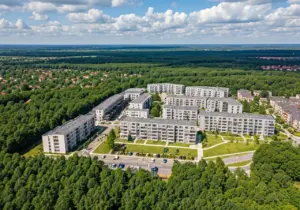
Aerial view of a modern property development surrounded by nature. 35mm stock photo

Understanding the Role of Property Management Consulting

Property management consulting offers specialized expertise to help property owners optimize their assets. Consultants provide strategic advice, market analysis, and operation enhancements tailored to your property’s unique needs. Let’s delve into the core responsibilities of property management consultants.

One of the most significant advantages of hiring a property management consultant is their ability to offer a fresh perspective on your investment’s potential. These experts excel in identifying untapped opportunities within your property that might otherwise go unnoticed. For example, they might suggest transforming underutilized spaces into income-generating areas or recommend dynamic pricing strategies to adapt to fluctuating market demands. By conducting thorough market analyses and leveraging data-driven approaches, consultants ensure that every decision is backed by solid insights, paving the way for a well-rounded property management strategy.

Furthermore, these consultants bring to the table years of industry experience, which enables them to foresee potential challenges and steer clear of common pitfalls that many property owners face. They emphasize the importance of remaining adaptable to changes in the real estate landscape—a vital skill that can make or break the success of an investment. By gaining a deeper understanding of your property’s demographics, consultants can also tailor marketing efforts and tenant relationships, thus enhancing tenant satisfaction and retention, which are key components in maintaining a profitable property.

Assessing Your Property’s Current Potential

Before crafting a strategy, it’s crucial to understand your property’s current situation. Consultants evaluate factors such as location, market trends, and competitive landscape to establish a comprehensive understanding of your property’s capabilities and limitations.

Assessment is a cornerstone of effective property management. Consultants begin by taking a holistic look at your property, evaluating its strengths and weaknesses in the context of the surrounding market. This includes conducting site inspections and analyzing key factors like area demographics, nearby amenities, and potential competition. With this information, they can accurately determine your property’s position in the market and identify areas that require intervention or improvement.

Moreover, property assessments are not limited to physical aspects alone. Consultants delve into financial reports, tenant feedback, and local zoning laws to compile a comprehensive view. This data-driven approach ensures that the ensuing strategies are grounded in factual evidence and precise forecasts. Having this thorough evaluation at your disposal, consultants guide property owners in making informed decisions that align with their investment objectives and market realities, thereby leading to a higher probability of success.

Strategic Planning and Implementation

Once the assessment is complete, consultants develop a customized plan to enhance your property’s value. This involves setting clear goals, optimizing property operations, and integrating cutting-edge technology to streamline processes and boost efficiency.

The strategic planning phase is where the magic happens. Armed with insights gathered from thorough assessments, consultants craft bespoke strategies designed to address your property’s specific challenges and capitalize on its strengths. These strategies often include recommendations aimed at optimizing day-to-day operations, such as adopting automation for routine tasks, which can vastly reduce administrative burdens and costs. By implementing smart home technology, for example, properties can offer increased safety, energy efficiency, and modern conveniences that attract tech-savvy tenants.

In addition to operational efficiencies, consultants advocate for integrating sustainable practices that contribute to long-term property value. This can involve enhancing the property’s aesthetic through eco-friendly upgrades or fostering community initiatives that improve tenant engagement and build a sense of belonging. Strategic planning isn’t merely a blueprint; it’s a dynamic tool that evolves in response to both internal performance metrics and external market shifts. By carefully monitoring its implementation, consultants can fine-tune these plans to yield optimal results over time.

Enhancing Revenue Streams

Increasing your property’s revenue can be achieved through effective management strategies. Consultants identify opportunities such as diversifying income sources, implementing competitive pricing structures, and enhancing tenant retention to maximize cash flow.

Maximizing revenue potential is a multifaceted challenge that expert property management consultants are adept at tackling. By identifying opportunities to diversify income streams, such as offering premium services or partnering with local businesses, consultants offer creative ways to augment your property’s profitability. This might include leasing space to a café or installing vending machines that cater to tenant preferences, both of which can offer a steady increase in income without major investments.

Another key revenue strategy is the adoption of competitive pricing models. Consultants use extensive market research to establish pricing that’s attractive yet profitable, ensuring it resonates with current demand while positioning your property as a preferred choice among potential tenants. Additionally, by implementing dynamic pricing tools, consultants can help you adjust rates in real-time based on various influencing factors such as seasonality or local events, thereby capturing maximum revenue potential. This proactive approach allows owners to remain agile in their pricing strategies, continually maximizing income without alienating tenants.

Property management entails adhering to numerous legal and regulatory requirements, which can be overwhelming. Consultants ensure compliance with local laws, lease agreements, and safety codes, protecting your investment from potential legal issues.

Staying compliant is paramount for safeguarding your investment, yet the maze of legal obligations can be daunting. Property management consultants serve as your navigational guide through this complexity. Their extensive knowledge of local and state regulations equips them to handle everything from lease agreement drafts and negotiations to ensuring health and safety standards are met across the property. By entrusting regulatory compliance to experts, you minimize the risk of costly infractions and legal disputes that can arise from non-compliance.

Moreover, consultants stay abreast of ever-evolving laws and policies, ensuring that your management practices remain up-to-date with current legislation. This proactive stance not only keeps you compliant but also serves as a cornerstone for a solid property reputation. It assures tenants that you maintain high standards, which can enhance your property’s appeal and attract quality tenants who value a well-regulated living environment. With consultants taking care of the legal intricacies, property owners can focus on enhancing their property’s value without the constant worry of navigating legal waters.

Long-term Sustainability and Growth

A successful property not only thrives in the present but is also prepared for future challenges. Consultants help property owners devise strategies for sustainable growth, including regular assessments and adaptations to evolving market conditions.

Embracing long-term sustainability is key to ensuring your property’s continued success. Consultants advocate for incorporating sustainable practices that meet current needs without compromising future growth. This approach might involve enhancing energy efficiency through innovative building materials or integrating renewable energy solutions that lower utility costs and reduce environmental impact. Such initiatives not only provide tangible savings but can significantly increase your property’s market appeal to eco-conscious tenants.

Growth strategies crafted by consultants are focused on ensuring adaptability and resilience. By continuously monitoring market trends and property performance, they can suggest evolutionary changes that include repositioning your brand, renovating outdated features, or expanding available services to meet tenant demands. This proactive strategy allows property owners to pivot quickly in response to shifts in market dynamics or tenant expectations, sustaining occupancy rates and ensuring that the property remains competitive well into the future. Through strategic planning and vigilant adaptation, your property is not just built to last but to flourish.

Maximize Your Property’s Success with Expert Guidance

In conclusion, expert property management consulting is more than just a service; it’s a partnership that empowers you to achieve your property’s maximum potential. By leveraging the right insights and strategies, you can confidently navigate the complexities of property management and enjoy the rewards of a thriving investment.

Unlocking the Potential of Your Property with Expert Management Consulting Read More »

Scroll to Top