What Benefits Can Airbnb Consulting Offer Property Owners?

Navigating the world of short-term rentals can be challenging for property owners. With the rise of Airbnb, many property owners are looking for ways to optimize their listings and maximize their profits. This is where Airbnb consulting comes into play. But what exactly does Airbnb consulting offer and how can it benefit property owners?
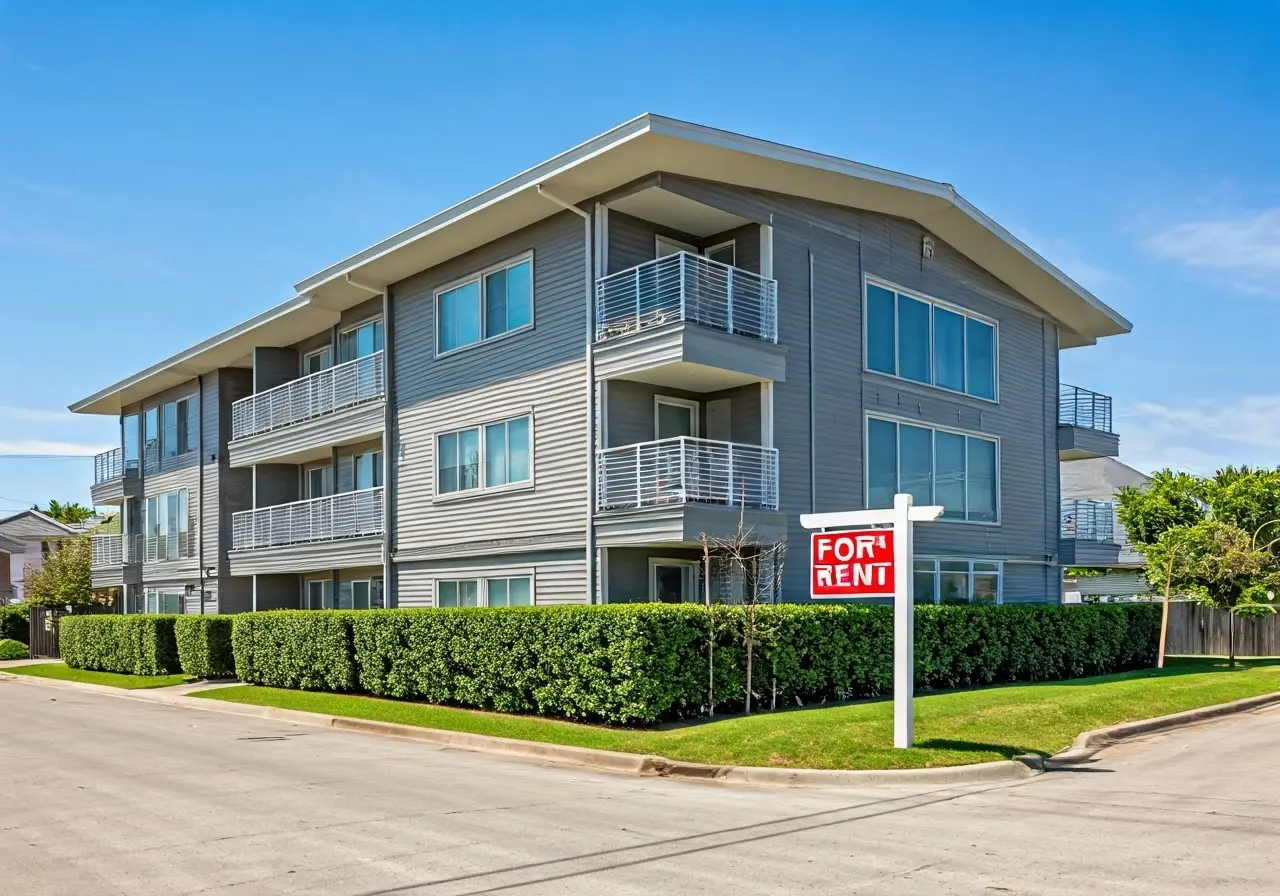
A modern apartment with a For Rent sign outside. 35mm stock photo

Understanding the Role of an Airbnb Consultant

An Airbnb consultant provides specialized advice and strategies tailored to property owners who are new to the short-term rental market or looking to enhance their current operations.

The primary role of an Airbnb consultant is to bridge the gap between property owners and the ever-evolving demands of the short-term rental market. They bring to the table not just experience, but also an understanding of market dynamics, customer expectations, and the latest trends. Their insights allow property owners to avoid common pitfalls such as poor guest communication, ineffective pricing strategies, and suboptimal property presentation.

Consultants dive deep into analyzing your current property setup and management practices, offering personalized advice. By understanding your unique needs and challenges, they create a customized improvement plan, covering everything from operations to guest experience to help you stand out in the competitive market.

Maximizing Your Listing’s Visibility

Learn how consultants help improve the visibility of your property listing through professional photography, engaging descriptions, and optimized pricing strategies.

Visibility is key in a crowded marketplace. Airbnb consultants focus on crafting compelling listings that grab potential guests’ attention. They advise on using high-quality photos that showcase your property’s best features and consult on writing appealing descriptions that highlight unique aspects of your location and amenities.

A critical aspect of increasing visibility is pricing. By analyzing current market trends and competitor pricing, consultants can propose dynamic pricing solutions that increase your listing’s attractiveness. Utilizing these strategies effectively can result in higher occupancy rates and increased revenue.

Enhancing Guest Experience and Reviews

Discover how targeted suggestions and tactics from consultants can lead to higher guest satisfaction and positive reviews, leading to more bookings.

Consultants offer expertise in crafting memorable guest experiences. From the initial booking inquiry to the post-stay follow-up, each interaction is an opportunity to exceed guest expectations. By refining your communication practices and ensuring a seamless guest journey, property owners can cultivate an environment that guests not only appreciate but also rave about in reviews.

Positive reviews are often the deciding factor for prospective guests. Consultants can help you implement feedback loops, allowing you to continuously improve offerings based on guest reviews, further enhancing the experience for future guests and maintaining a positive online reputation.

Streamlining Operations and Management

Explore the tools and processes that consultants recommend to effectively manage your property, from automated check-in systems to outsourcing cleaning services.

Time is money, especially in property management. By introducing you to automation tools and efficient operational practices, consultants help streamline your daily tasks. Automation can manage reservations, communicate with guests, and even adjust pricing automatically, reducing the manual workload significantly.

The integration of smart technology systems such as keyless entry or home automation can further simplify operations, allowing you to manage your property remotely. These innovations, recommended by consultants, can contribute to more efficient operations and a better overall guest experience.

Boosting Revenue with Strategic Pricing

Understand how dynamic pricing and market analysis provided by consultants can significantly increase your rental income.

Strategic pricing is crucial in maximizing your property’s revenue potential. Airbnb consultants bring to the table a wealth of knowledge in market analytics and pricing strategies. By examining trends, demand cycles, and competitor pricing, they can set a pricing strategy that ensures competitiveness while maximizing income.

Additionally, consultants help in implementing flexible pricing models based on different times of the year, special events, or even during low-demand periods, ensuring your property stays booked throughout. This holistic approach to pricing can lead to a significant boost in your property’s profitability.

Why Airbnb Consulting is Worth Considering

Airbnb consulting can be an invaluable resource for property owners seeking to maximize their rental income and streamline their management processes. From marketing strategies to guest communication, consultants offer expert insights that can make a substantial difference in the success of your Airbnb venture.

What Benefits Can Airbnb Consulting Offer Property Owners? Read More »

Why Is Proactive Management Important in Property Management?

Proactive management is a crucial aspect of property management that can significantly enhance property value and occupant satisfaction. This blog aims to explore why taking a hands-on, anticipative approach is vital in managing properties effectively.
Image of a key in a house-shaped keychain. 35mm stock photo

Understanding Proactive Management

Proactive management involves anticipating and addressing potential issues before they become significant problems. It’s about being one step ahead to ensure smooth operations.

In the realm of property management, proactive management is akin to a well-designed preventive maintenance plan. It’s an approach that aims to avert problems through foresight, effective scheduling, and consistent monitoring. By laying the groundwork for this kind of management, properties can avoid the whirlwind of last-minute repairs that strain both time and budgets.

Having a proactive mindset is essential to delivering exceptional tenant experiences. This approach allows property managers to foresee tenants’ needs and respond before they escalate into complaints or lost tenants. Anticipatory care, enhanced by regular assessments and services, can drastically reduce the potential for unexpected surprises, thereby ensuring stability and continuity in property management.

Benefits of Proactive Management

Proactive management greatly benefits property managers by reducing repair costs, improving tenant satisfaction, and increasing property value.

Taking a forward-thinking approach not only reduces financial risks but also enhances the property’s reputation. Routine maintenance and inspections reveal fixes that are simple yet effective, steering clear of more complex issues in the long run. Hence, managers create an environment of trust and reliability for tenants, supporting occupancy and yielding consistent rental income.

Furthermore, this strategy lends itself to building relationships with tenants grounded in transparency and respect. Tenants are more likely to extend their leases and recommend the property if they feel looked after, thus decreasing turnover rates. Proactive management also places landlords in the enviable position to charge premium rents due to well-maintained and attractive living spaces.

By elevating your property value, proactive management plays a critical role in profitability. Owners can expect a higher return on investment when they embrace strategies that increase the property appeal and meet tenant demands effectively.

Preventing Costly Repairs

By addressing maintenance issues early, property managers can prevent minor problems from escalating into costly repairs.

Proactive maintenance involves regular inspections and the early recognition of wear and tear in properties, saving landlords from expensive repairs down the line. Even simple tasks like tightening screws or checking for leaks can repel the lurking potential for major damage. Properly maintaining the structural integrity of a building not only saves money but also safeguards its long-term value.

Regular property evaluations also ensure that complex preventative measures are applied promptly. As discussed by Neighborly, such evaluations help identify maintenance needs before they come to the fore, reducing the stress on tenants and preventing disruptive repairs.

Enhancing Tenant Satisfaction

Proactive management ensures tenants have a positive living experience, leading to longer leases and reduced vacancy rates.

In the competitive housing market, maintaining high levels of tenant satisfaction scores well for both property value and reputation. Proactively managed properties typically see tenants happier with the prompt resolution of maintenance issues, the cleanliness of communal spaces, and the overall living environment. The reduced occurrence of problem-mediated frustration leads to lower tenant turnover.

By employing preemptive practices, managers illustrate a commitment to tenants’ wellbeing—a factor that resonates strongly in the digital age of online reviews and social media. As noted on Sojora, this approach leads to sublime guest reviews, creating a repeatable cycle of retention and attraction for potential tenants.

Boosting Property Value

Consistent maintenance and timely upgrades can enhance the property’s appeal and increase its market value.

Boosting property value is intrinsically linked with proactive management. A well-maintained property stands out in the real estate market with buyers and lessees noticing the level of care provided. Property enhancements, which fall under the proactive umbrella, may involve strategic upgrades—such as energy-efficient systems—that appeal to eco-conscious tenants and investors alike.

Proactive strategies inform future investment decisions by mitigating risks associated with neglected issues. When landlords undertake a proactive stance, their properties remain competitive against newer constructions, thus preserving, even enhancing, their standing in the marketplace over time.

Implementing Proactive Management Strategies

To be effective, property managers should implement regular inspections, maintenance schedules, and open communication channels with tenants.

Implementation of proactive strategies starts with defining clear goals and regular schedules for inspections and maintenance. Leveraging technology can further aid in maintaining these plans. Software solutions specialize in reminders for inspections and managing tenant requests efficiently, preventing overlooked or deferred actions that could prove costly later on.

Another cornerstone of successful proactive management is having a well-trained team that continuously adapts and applies best practices. Together, these elements nurture a proactive culture—one that anticipates rather than reacts. Reliable management becomes a vital tool for ensuring the seamless operation of residential complexes.

The Necessity of Proactive Management

In conclusion, proactive management is not just a beneficial practice but a necessary one in property management. By anticipating issues and addressing them early, managers can save costs, improve tenant relations, and enhance property value, making it a win-win for everyone involved.

Why Is Proactive Management Important in Property Management? Read More »

10 Tips for Maximizing Your Property with Vacation Rental Management

If you’re a property owner looking to maximize your investment, vacation rental management can be a game-changer. With the right strategies, you can attract more guests, increase bookings, and boost your income. In this blog, we’ll share practical tips to help you make the most of your vacation rental property.
Cozy cabin with scenic view, perfect for vacation rentals. 35mm stock photo

1. Understand Your Target Audience

Identifying the type of guests you want to attract is crucial. Whether it’s families, couples, or business travelers, knowing your audience can guide you in tailoring your property and marketing strategies to their preferences.

To truly connect with potential guests, consider their expectations and what draws them to your locale. Families might appreciate extra sleeping arrangements or child-friendly amenities, whereas business travelers could be more interested in reliable Wi-Fi and a quiet workspace. Personalizing your offerings shows attention to detail, enhancing guest satisfaction and encouraging positive reviews. Dive into the data of similar properties around you to uncover what features resonate most with each audience segment.

2. Optimize Your Listings

Ensure your listing is complete and accurate. Use high-quality photos and detailed descriptions to showcase your property’s best features, so potential guests can imagine themselves enjoying their stay.

Storytelling is a powerful tool for listings. When describing your property, highlight unique experiences it offers—be it sunset views from a particular porch, or proximity to hidden gems known only to locals. According to Rental experts, creating emotional connections through engaging narratives can significantly boost your property’s attractiveness.

3. Set Competitive Pricing

Research similar properties in your area and adjust your pricing to stay competitive. Consider seasonal variations and special events when setting your rates.

Mastering dynamic pricing can transform how well your property performs in different market conditions. Tools like revenue management software can analyze local trends and help tweak rates efficiently for maximum profitability. Implementing a comprehensive pricing strategy not only keeps occupancy high during off-peak times but can also capitalize on demand fluctuations, ensuring a steady income stream.

4. Invest in Quality Amenities

Providing extra comforts like complimentary Wi-Fi, stocked kitchens, and cozy bedding can significantly enhance the guest experience, leading to positive reviews and repeat bookings.

Amenities are about making guests feel that a property is not just a temporary stay, but a seamless extension of their own home comforts. Services like smart home technology, keyless entries, and eco-friendly products often stand out and make a lasting impression. As explained, small investments in upgraded amenities can pay off significantly with improved guest satisfaction and retention.

5. Enhance Communication with Guests

Prompt and clear communication before, during, and after a guest’s stay can improve satisfaction. Use automated messages for booking confirmations and provide local tips to make the trip memorable.

Regular updates and personalized messages foster a sense of trust and attention to detail that guests appreciate. By sending a warm welcome message upon booking and follow-up surveys post-stay, you’ll not only ensure a smooth guest experience, but also gather valuable feedback for ongoing improvements. Take inspiration from effective communication strategies which underscore the importance of keeping guests informed and valued.

6. Leverage Social Media

Boost your property’s visibility by maintaining an active social media presence. Share engaging content and interact with potential guests to build a sense of trust and community.

An effective social media strategy doesn’t just improve your reach, it creates a dynamic conversation around your property. Sharing local events, insider tips, and behind-the-scenes preparations offers guests a sneak peek into what their stay could be like, building excitement and anticipation. Partnering with influencers in the travel niche can also amplify your reach and tap into new guest demographics.

7. Implement Smart Home Technology

Incorporating smart home devices can streamline operations and enhance the guest experience. Consider smart locks, thermostats, and automated lighting for added convenience and security.

Embracing smart technology makes your property more appealing, especially to tech-savvy guests who value innovation and ease. According to insights on modern management practices, smart integrations can help you reduce energy consumption and maintenance time, hence further optimizing your property’s efficiency.

8. Highlight Unique Features

Every property has something special. Whether it’s a rooftop terrace or proximity to a local attraction, emphasize what makes your rental stand out from the crowd.

Uncovering and promoting your property’s unique attributes is key to standing out. Whether it’s using eco-friendly materials, offering pet-friendly options, or hosting guided local experiences, these specialized offerings can attract niche audiences looking for specific rental features. The uniqueness becomes a brand, not just for the property, but for the experience you offer.

9. Maintain Consistent Property Care

Regular maintenance and cleanliness are key to providing a top-notch guest experience. Schedule consistent cleaning and timely repairs to keep the property in its best shape.

A spotless rental is crucial in boosting guest satisfaction and ensuring that they feel at ease. Paying close attention to detail in cleaning practices, such as using quality products and employing professional services, keeps standards high. Ongoing upkeep, even during vacancies, ensures that the property remains fresh and inviting for every guest’s first impression.

10. Seek Professional Management Assistance

If managing the property becomes overwhelming, consider hiring a professional vacation rental manager. They can handle marketing, bookings, and guest interactions, freeing up your time to focus on bigger picture strategies.

Engaging a professional management service can alleviate the pressure of daily management. Skilled property managers bring expertise in marketing, operational efficiency, and guest retention, helping maximize your rental’s potential while providing peace of mind. Consider them as partners in investment success, driving both occupancy rates and overall profitability.

10 Tips for Maximizing Your Property with Vacation Rental Management Read More »

10 Essential Short-Term Rental Regulations in Northwest Arkansas

Navigating the world of short-term rentals in Northwest Arkansas can be a bit tricky. Whether you’re a host or a guest, understanding the local regulations is key to a smooth experience. Let’s break down the essentials in a simple, friendly way.
Aerial view of downtown Northwest Arkansas with rental properties. 35mm stock photo

1. The Importance of Registration

In Northwest Arkansas, most cities require short-term rental owners to register their properties. This helps the local government keep track of rental activities and ensures that all safety and health standards are being met. Registration is not just a bureaucratic hurdle; it’s a crucial step in demonstrating transparency and accountability to both guests and neighbors. By registering, you also gain access to valuable city resources and updates on changing regulations, which keeps you ahead of the curve.

Failing to register could lead to penalties that may severely impact your rental business. Some cities, like Fayetteville, have unique permit requirements depending on whether a home is rented out year-round as a Type 2 rental or occasionally as a Type 1 rental according to recent reports. Staying registered aligns you with community expectations and supports local economy initiatives by contributing to tourism-related revenues.

2. Understanding Zoning Laws

Zoning laws play a crucial role in determining where you can set up a short-term rental. Many residential areas have specific rules, so understanding which zones permit such rentals is vital. These laws are in place to balance the interests of homeowners and renters while preserving neighborhood integrity. Areas designated for family residences might restrict rental activities to ensure peaceful living conditions for permanent residents.

To avoid costly mistakes, it’s important to consult the local zoning maps and understand the classifications specific to your area. For instance, some zones might only allow rentals if owners are present, often referred to as owner-occupied or Type 1 rentals. You might find that urban centers have more flexible zoning compared to suburban regions. Always stay updated with zoning adjustments, as municipalities frequently revise these laws to reflect changing urban strategies and housing demands.

3. Compliance with Safety Standards

Safety standards ensure that properties are safe for guests. This includes having the right smoke detectors, carbon monoxide alarms, and emergency exits. Compliance not only protects your guests but also builds trust. There’s an expectation that any rented property will adhere to a certain level of safety, much like a hotel. This involves regular maintenance checks and adherence to a schedule for replacing safety equipment.

In Fayetteville, for example, rental properties might undergo safety inspections to verify compliance with local standards. While this may seem like a lot of bureaucracy, it’s ultimately designed to ensure that every guest feels safe during their stay. Additionally, these measures can enhance your reputation, leading to better reviews and, thus, more bookings. Aligning your property with these safety rules underscores your commitment to a professional and guest-centered approach.

4. Handling Noise Restrictions

Noise restrictions aim to maintain peace in neighborhoods. Understanding the local noise ordinances helps you set the right expectations for guests, preventing potential complaints and fines. Quiet hours might be established during nighttime, and it’s crucial to inform guests of these rules to avoid neighborhood disturbances. Whether it’s someone hosting a movie night or guests returning late, maintaining decorum ensures a harmonious relationship with neighboring residents.

Consider implementing clear ‘house rules’ focusing on noise levels and respectful behavior as part of your rental agreement. Having these documented can help address any disputes or complaints and demonstrate your proactive efforts in upholding community guidelines. Additionally, fostering good relationships with your neighbors by being responsive to concerns can help mitigate potential issues before they escalate. Open lines of communication make a significant difference in a neighborhood’s coexistence with short-term rentals.

5. Adhering to Occupancy Limits

Occupancy limits exist to ensure safety and comfort for everyone. These limits often depend on the size of the property and local regulations, so checking these numbers is crucial. Overcrowding not only risks violating these limits but also compromises emergency egress and overall guest comfort. Additionally, surpassing occupancy limits could lead to unexpected strain on infrastructure like plumbing or electrical systems, possibly resulting in damages or disputes with local authorities.

Some municipalities have clear guidelines on how many people can be accommodated per bedroom, often based on square footage or available exits. Staying informed helps in setting realistic expectations for guests and in outlining potential extra charges for additional guests. It’s also worth noting that exceeding occupancy can lead to fines and potential liability concerns, making it critical to adhere strictly to these limits while ensuring a pleasurable stay for guests.

6. Taxation and Financial Responsibilities

Hosts must be aware of their financial responsibilities, including understanding the necessary taxes that come with short-term rentals. Knowing how to handle these can prevent legal issues down the road. Short-term rentals typically attract different tax obligations compared to long-term tenancies. For instance, cities may impose a transient occupancy tax, much like hotel taxes, which can affect how you price your rental services. Regularly maintaining detailed financial records can facilitate smoother tax filing and minimize liability risks.

In Northwest Arkansas, taxes might not only include income tax on rental earnings but also specific local taxes applicable to short-term lodgings. It’s advisable to consult a tax professional to ensure compliance and to maximize any possible deductions. Remember, staying proactive about these financial duties demonstrates professionalism and can prevent any unpleasant surprises. Clear communication with guests regarding all-inclusive pricing versus additional charges ensures transparency and builds trust.

7. Insurance Coverage Requirements

Proper insurance coverage is essential to protect both the property and the guests. Understanding the required coverage types can save you from significant losses in case of untoward incidents. Many standard homeowner policies do not cover short-term rental activities, leaving you vulnerable. It’s crucial for property owners to seek out specialized short-term rental insurance policies that cover both liability issues and potential property damage specific to hosting guests.

Reviewing your existing insurance policies and consulting with insurance experts can uncover gaps in coverage. Additionally, explicit coverage for personal injury within the rental premises can shield owners from legal entanglements. Robust insurance not only safeguards your investment but also provides peace of mind, assuring guests that they are staying in a well-protected property. Proactive risk management through insurance allows you to focus on enhancing guest experiences instead of worrying about potential liabilities.

8. Waste Management Protocols

Proper waste management is important for maintaining cleanliness and health. Knowing the local waste disposal schedules and protocols keeps your property in good standing with the community. This involves understanding recycling, composting, and general waste collection days, as well as any regulations regarding the disposal of hazardous materials. Within urban settings, regulations might also cover the strategic placement of waste receptacles to prevent obstruction of public pathways or ensuring that they do not attract pests.

Informing guests about appropriate waste disposal practices within your rental can further enhance these efforts. Providing clear signage and separate bins for recyclable items, organics, and landfill waste not only encourages environmental stewardship but also reinforces community-minded behaviors. Failure to adhere to these practices can attract fines and negatively affect relationships with local authorities and neighbors. Staying eco-friendly not only supports community health but also appeals to a growing number of environmentally-conscious guests.

9. Tenant Landlord Regulations

Familiarity with landlord-tenant regulations can help both parties understand their rights and responsibilities, leading to a smoother rental experience. These laws cover a variety of issues from deposit handling to maintenance responsibilities and tenant rights regarding property access. While short-term rentals might not require the same level of tenant engagement as long-term leases, understanding these regulations ensures compliance and reduces the risk of potential legal skirmishes.

In Northwest Arkansas, these regulations can vary by city, so it’s crucial to research and stay updated on the specifics that apply to your rental business. Creating a welcoming and clear rental agreement that outlines the terms of stay using language accessible to all parties helps manage expectations and offers a benchmark for resolving disputes. Moreover, respecting tenant privacy and communicating respectfully fosters goodwill and encourages positive guest interactions and reviews.

10. Community Interaction Guidelines

Promoting positive interactions with the community is crucial. Setting clear guidelines can help guests blend in, making the neighborhood a welcoming place for everyone. This involves ensuring that guests are aware of local customs, respected times for quietness, and general neighborhood etiquette. Encouraging guests to support local businesses and engage in community activities fosters goodwill and supports the local economy.

Consider creating a guidebook for your guests that highlights points of interest nearby, and offers tips for a friendly and respectful stay. Fostering good community relationships is in everyone’s best interest and can serve as a valuable asset to your rental operation. Good rapport with neighbors not only protects your rental opportunity but encourages a collaborative approach to problem-solving when issues arise. Ultimately, community engagement enriches guest experiences and builds lasting bonds.

10 Essential Short-Term Rental Regulations in Northwest Arkansas Read More »

9 Ways to Enhance Guest Experience in Short Term Rentals

In the competitive world of short-term rentals, providing an exceptional guest experience is key to standing out and securing repeat bookings. Here are some actionable tips to help you enhance the guest experience and create unforgettable stays.
Cozy living room with plush decor and warm lighting. 35mm stock photo

1. Communicate Clearly and Promptly

Effective communication sets the tone for a positive guest experience. Responding to inquiries quickly and providing clear information helps guests feel welcomed and valued. With the digital age, leveraging tools like automated messages or chatbots ensures guests are never kept waiting. As hosts, addressing guest queries promptly can be seen as the backbone of a smooth rental experience, contributing to high guest satisfaction and repeat bookings. A unified inbox can minimize delays, allowing seamless communication across multiple channels 13 Ways to Boost Vacation Rental Occupancy.

When guests know they can count on immediate support, it eases their stay immensely. Establishing standard operating procedures for communication ensures consistency. This means having predefined messages for common questions, helping guests feel prioritized and heard. It’s essential to remember that a delay in response can lead guests elsewhere, a situation that’s easily avoidable with strategic and efficient communication practices.

2. Provide a Warm Welcome

First impressions matter profoundly in short-term rentals. From the moment guests step through the door, a personalized welcome message or a small welcoming gesture, like a treat basket, can go a long way. These small touches make guests feel instantly at home, setting the stage for an enjoyable stay. Combining local treats with personalized notes shows attention to detail, which can transform an ordinary visit into something memorable Why Choosing the Right Short Term Rental Management Company Matters.

3. Ensure Spotless Cleanliness

To guests, cleanliness isn’t just appreciated—it’s expected. Ensuring every nook and cranny is spotless is vital. This level of upkeep reassures guests they’ve made the right choice. Moreover, it reflects the professionalism and standards of the host. High-touch areas, particularly in a post-pandemic world, demand extra scrutiny. Clean, safe environments are non-negotiable today, propelling positivity from guests and enhancing property reviews Top Strategies Rental Experts Use to Enhance Guest Experience in Your Vacation Home.

Maintenance isn’t just aesthetic; it’s functional. Regular checks for minor repairs, such as faulty locks or leaky faucets, prevent bigger issues down the line. Addressing these proactively assures guests of a smooth, worry-free stay. Attention to these details can often mean the difference between a one-time visitor and a repeat guest.

4. Offer Thoughtful Amenities

Thoughtful amenities often define the guest experience. Consider offering unique items tailored to your guests. For instance, providing complimentary coffee or elaborate toiletries can offer that extra layer of comfort. These amenities, though simple, leave lasting impressions. They show guests that the host truly cares about their comfort and well-being. This approach significantly enhances the rental’s appeal, contributing to positive reviews and feedback Maximizing Your Property’s Potential.

Adding local touches, such as area guides and recommendations, can elevate the guest experience further. These insights offer an authentic taste of the locale, making their visit memorable. Given how such simple nudges add remarkable value, consider periodic updates to your curated guide to reflect seasonal activities or newly opened local eateries.

5. Create a Comfortable Space

Investing in quality furnishings transforms a basic rental into a luxury stay. High-quality mattresses, pleasant lighting, and themed decor create an ambiance of comfort and luxury. These touches make the stay more enjoyable and help the property stand apart from the competition. Emphasizing comfort through ergonomic furniture, plush linens, and soothing interior design encourages guests to leave stellar reviews and return visits 13 Ways to Boost Vacation Rental Occupancy.

6. Share Local Insights

Guests love exclusive recommendations. Sharing insider knowledge about lesser-known local spots transforms an average stay into an unforgettable one. Whether it’s a hidden cafe or an upcoming music festival, these tips offer guests a deeper connection to the area, enhancing their overall experience. Providing such curated information shows guests you’re more than a host—you’re their local guide.

7. Be Ready to Assist

Every guest values reassurance. Offering continuous support during their stay ensures guests feel safe and at ease. Being proactive and solution-oriented, with swift problem resolution, portrays a host as attentive and trustworthy. Such care boosts confidence in the property, encouraging not just positive reviews but also recommendations to others about their fantastic experience.

Flexible support, extending even to unexpected guest inquiries or needs, can drastically improve perceptions of the host’s dedication and service. This level of readiness speaks volumes about the commitment to making every guest’s stay comfortable.

8. Ask for Feedback

Feedback is more than input—it’s an invaluable roadmap for enhancement. Actively encourage guests to share their insights through reviews post-stay. Listen closely to what they value or wish to change, addressing any critiques head-on. Constructive criticism not only aids in property improvement but also illustrates your commitment to providing the best possible experience. Analyzed feedback continuously refines offerings, aligning them more closely to guest preferences.

9. Build Long-Term Relationships

Creating lasting connections with guests bolsters loyalty. Thoughtful gestures, like sending periodic newsletters or offering exclusive discounts, remind guests of past positive experiences, encouraging return visits. Loyalty incentives foster a sense of belonging and appreciation in guests’ minds. Beyond immediate financial benefit, these return engagements often generate substantial word-of-mouth marketing, naturally enhancing the property’s reputation and reach.

Thinking long-term means viewing each guest as a potential repeat visitor. Investing time into nurturing these relationships not only yields future bookings but also builds a community around your rental. With genuine care and intentional touches, short-term rental properties can flourish in building a robust list of repeat clients.

9 Ways to Enhance Guest Experience in Short Term Rentals Read More »

Scroll to Top